
Process & Influence

Inside the Studio
Arthur’s process was deliberate, layered, and enriched by continual research and exploration. He often worked on multiple canvases simultaneously, shifting between them according to mood or energy.
His studio was a constant presence in the home. “He always spent time in that studio. In a way it was nice because I always knew where he was.” His children grew up with brushes, oils, and turpentine.
“It was a comfort for me because I could always find him at his easel. I would sit at the dining room table while he did his art and I did mine. He always thought mine was kind of silly because I did ceramics and quilting—it wasn’t high art. I remember we would always recommend music for him to listen to because he listened while he painted. We gave him Simon and Garfunkel and Cat Stevens, and more modern artists that we were into that he wouldn’t have known about. He loved classical music too. You could sit and be with him, but he didn’t want you to talk to him a lot because he was concentrating.”
He was devoted to his family, but his independence as an artist was unwavering. “One thing that surprised me the most was when Ellen and I and our husbands went to Ireland, and I came back with all sorts of photographs and I remember handing him a picture of hydrangeas from Dublin. He looked at me and said, ‘You can’t tell an artist what to paint’ and I replied that ‘I was struck by it and if I was a painter, I’d want to paint it’ and he said, ‘Well, I think you should take up painting.’”
Influence Without Limitation
His formal influences trace back to Robert Grilley, Fred Berman, Joseph Freibert, and Leon Travanti. In addition to his art studies in college, Gebhardt sought out other artistic mentors and peers throughout his life. “Joseph Freibert mentored my dad. He was a professor at the University of Wisconsin-Milwaukee. Joe was important to him. He was part of a group of men I remember distinctly because they could talk about art together. It was part of his daily life, almost mandatory, and he needed that.”
Even with what he learned from mentors and peers, and even if those exchanges provided perspective, his process remained his own. He began and ended with feeling and intuition. “I remember I asked him to paint something for me and when it came, it was totally different. I was shocked when I opened it. I called him and said, ‘What in the world was that?’ He said, ‘I couldn’t think that day.’ I wanted him to paint a monk and instead I received a Centurion with a huge helmet! When he painted, he felt. He didn’t just paint to paint stuff, which was obvious.”
Gebhardt’s process shows that he did not start out with preconceptions about what a piece would become. He also was generous and informal and clearly enjoying himself.
A niece tells a story that “I was 26 years old then with four-year-old twin boys. I asked him, ‘Will you do a painting for me?’ People have been known to ask him to paint stuff for them. So, he comes out to my place and starts painting plein air. My kids went out in the woods with him to watch him paint. But a while later, Patty (his wife) called and said to him ‘You have to come home, I have a doctor’s appointment.’ So, he packed up his stuff and left. He later called and asked me, ‘What’s your house like?’ I told him Arts and Crafts style, and the painting looks like it could fit into that. He finished the painting at home. I have a picture of the boys on the back of that painting—John and Henry watching uncle Artie painting.”
For Art, painting was discipline and dialogue. It connected him to teachers, friends, travel, family, and was also something wholly his. He worked refining and revising, often covering entire canvases in white gesso to begin again. His influences extended beyond art history to faith, travel, and nature. He found renewal and reflection through Jesuit retreats and trips to Europe, and parts of the U.S. Each touchpoint expanded his visual encyclopedia. His friends and family remember him sketching on vacation, painting outside, holed up in his home studio, and creating art with friends.

Process & Influence
Explore the diverse expressions of Arthur Gebhardt
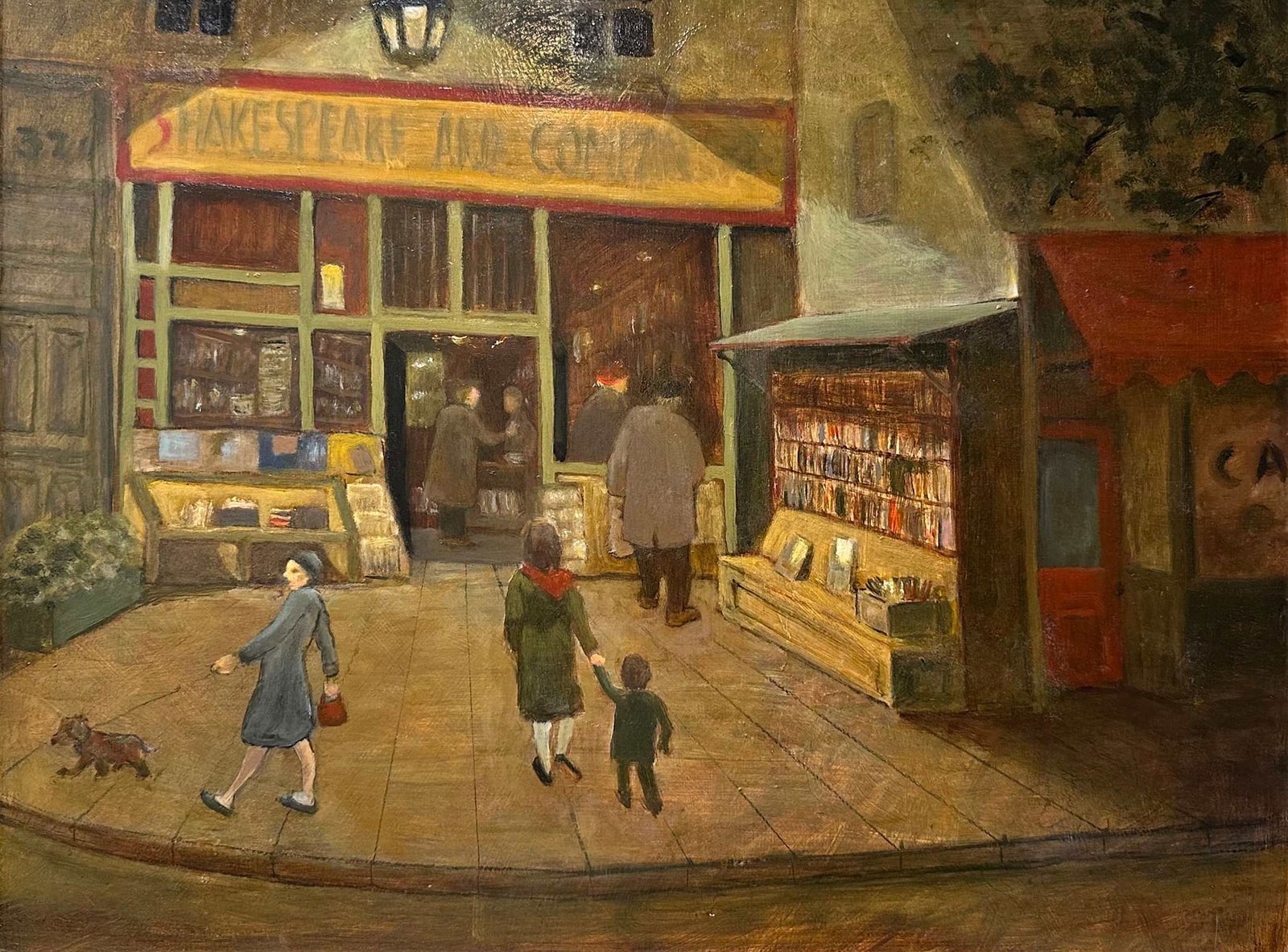
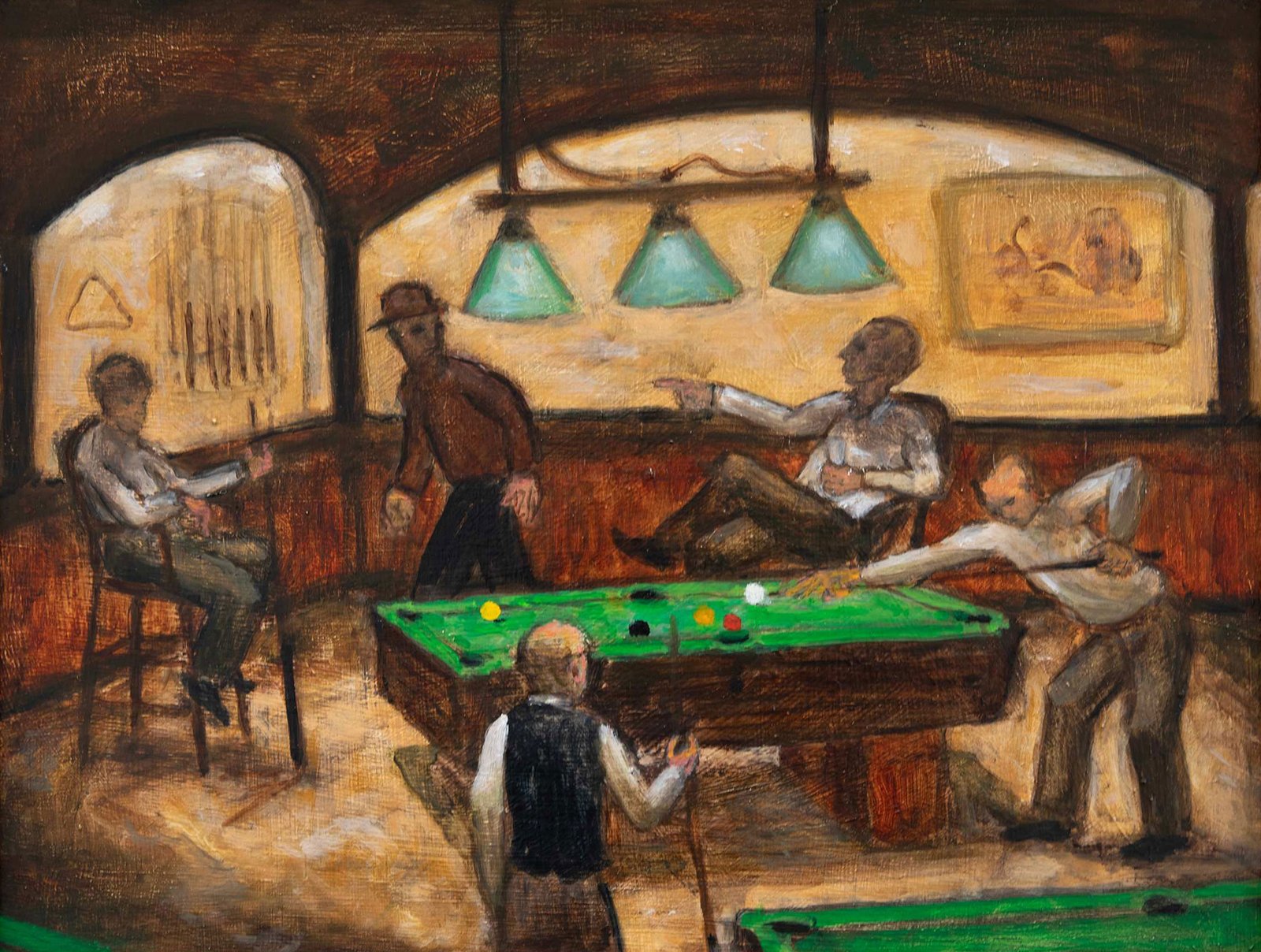
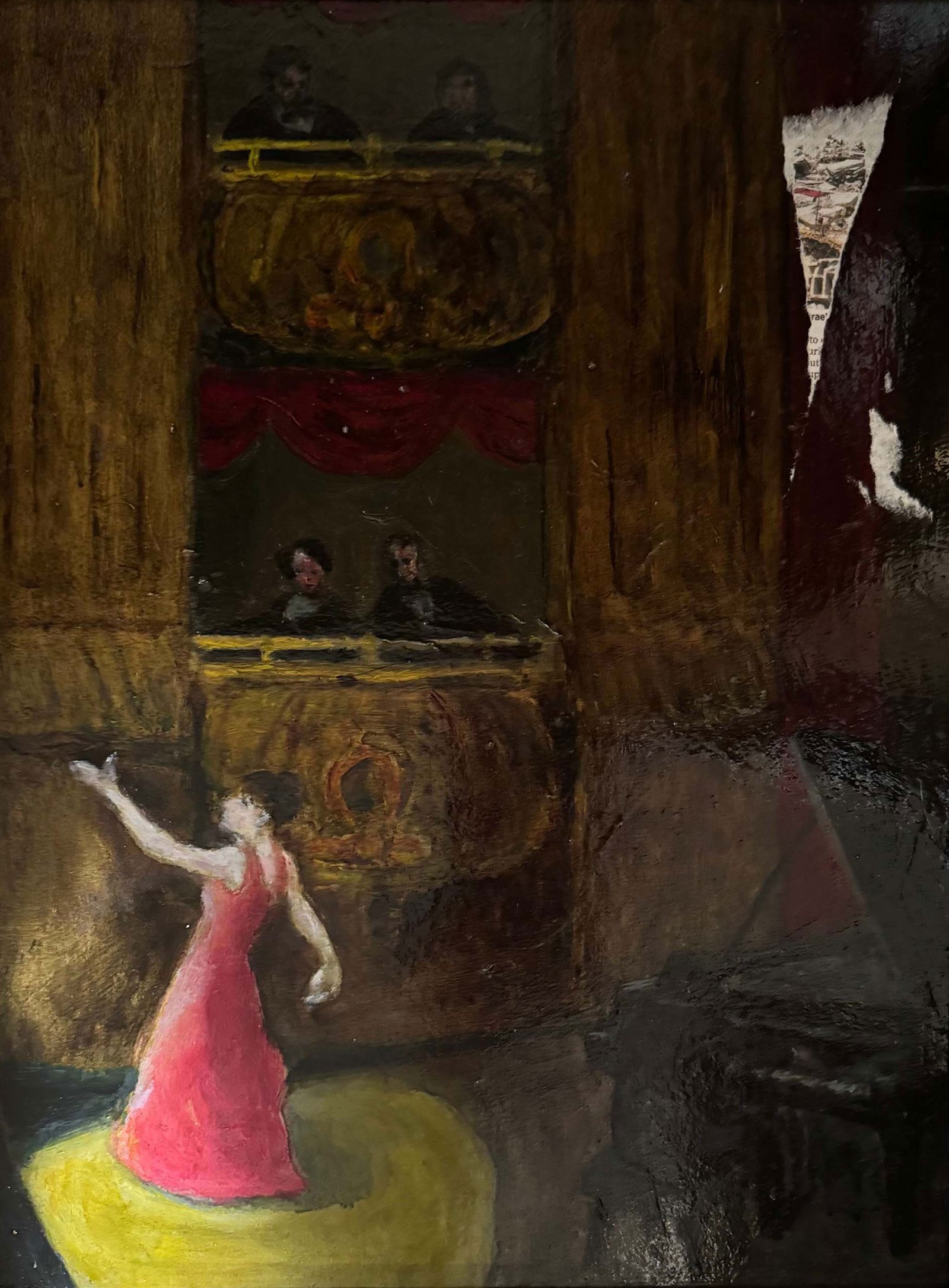
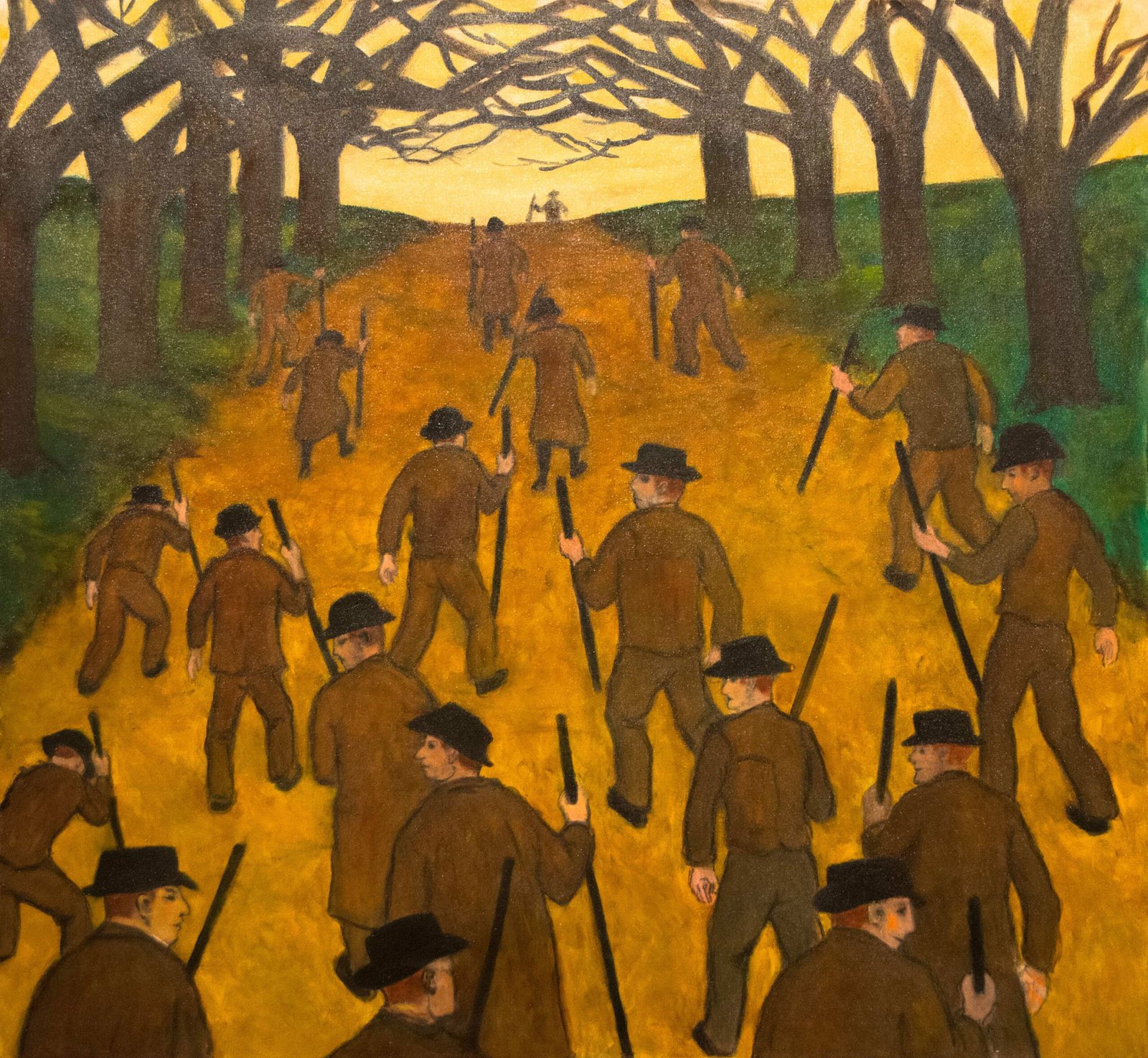
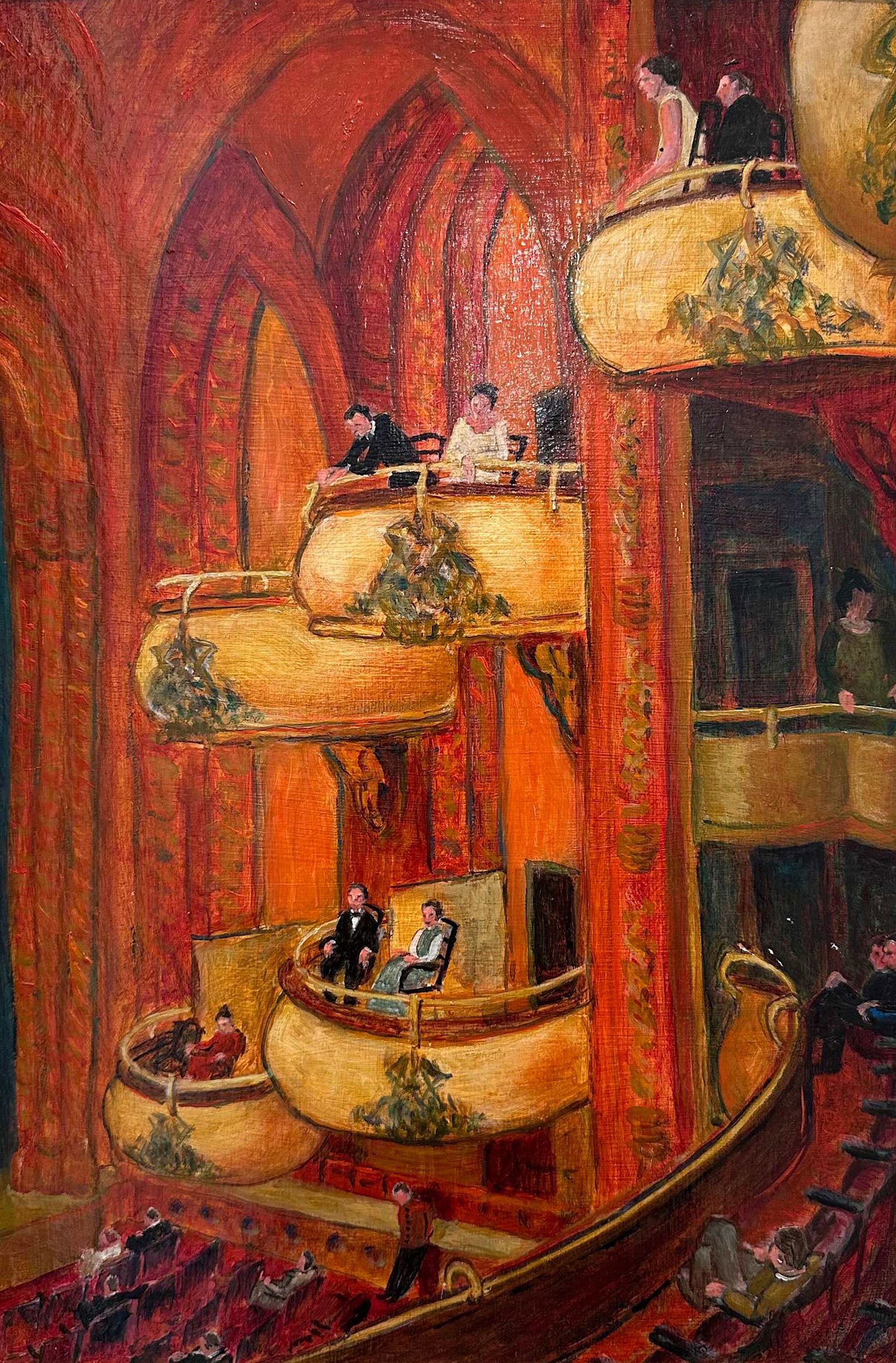
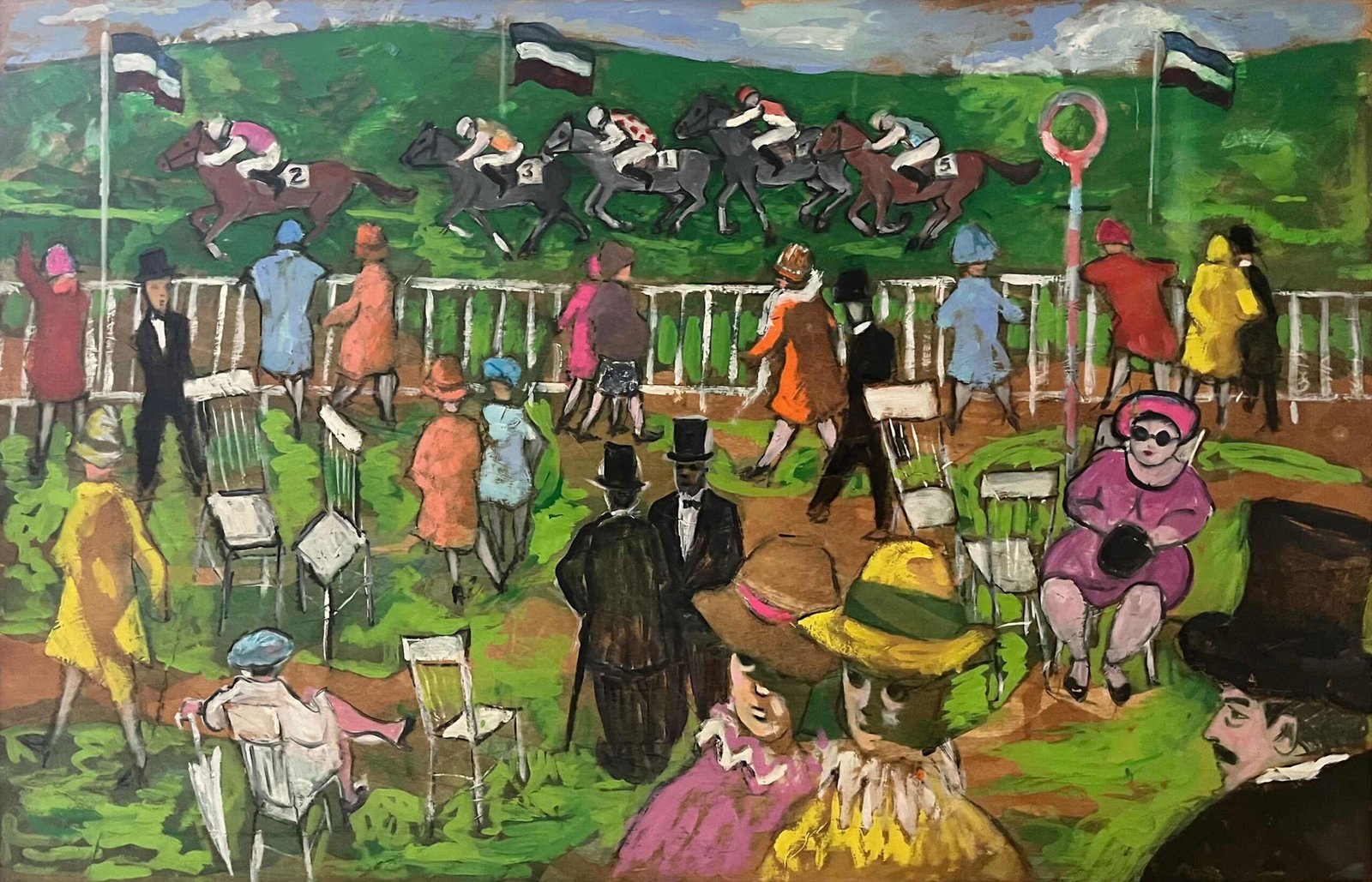

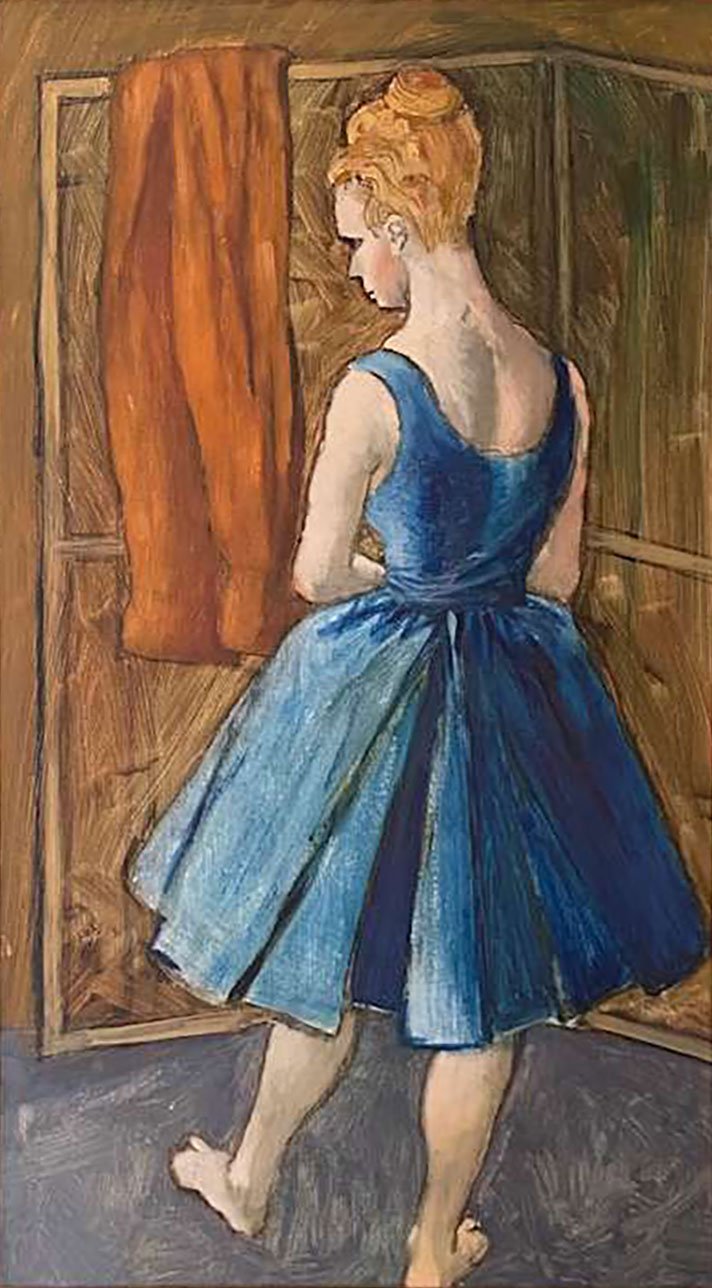
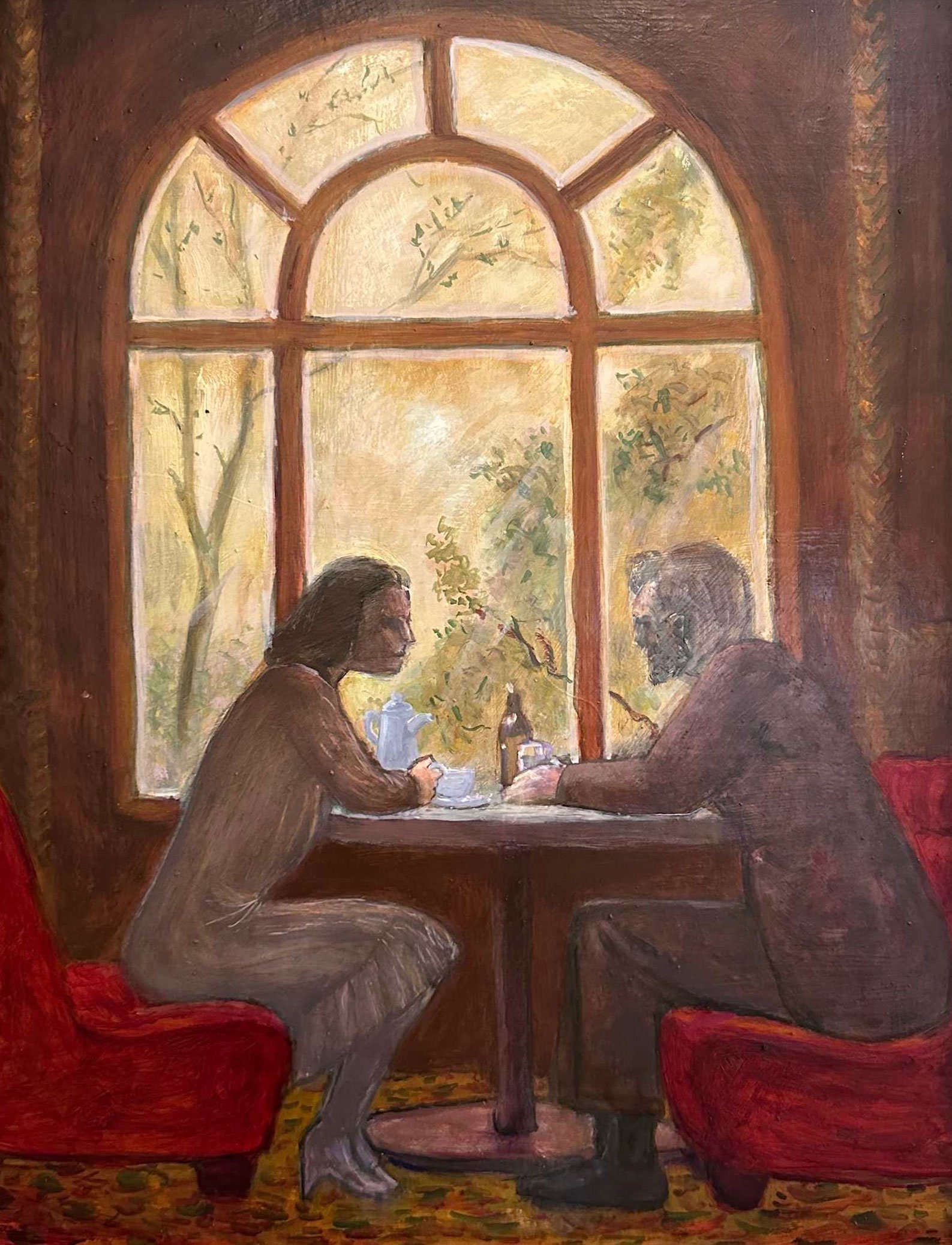
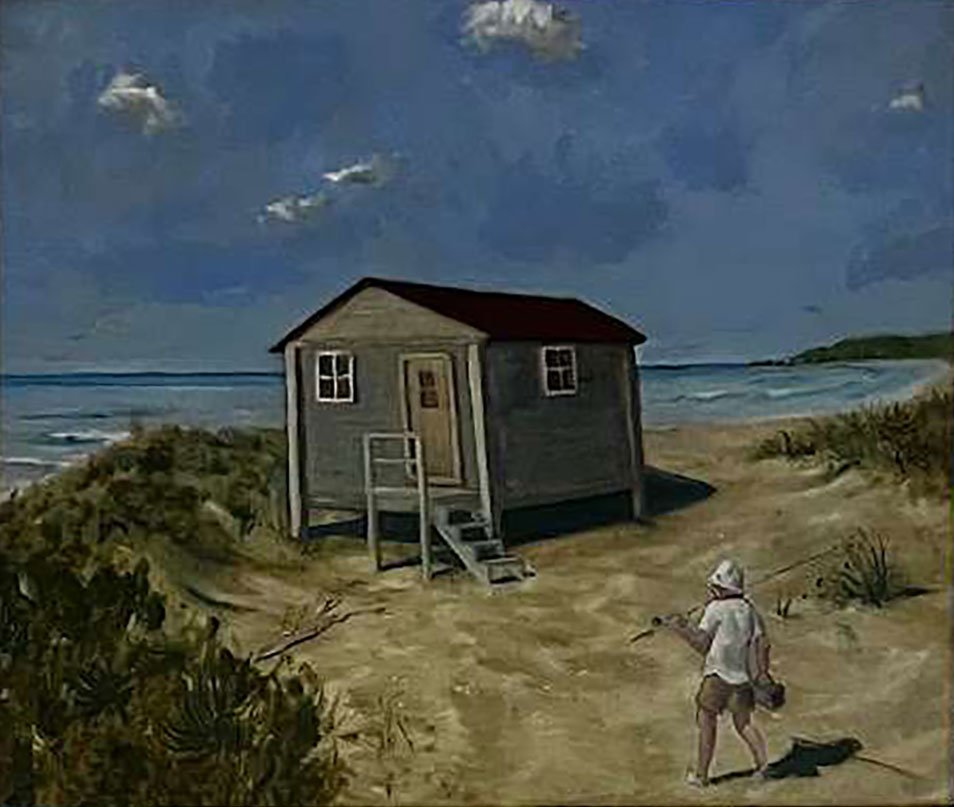
“When he painted, he felt. He didn’t just paint to paint stuff, which was obvious.”
Featured Artwork
Cocktail Time
Oil on masonite
This cafe scene reflects Gebhardt’s interest in people and places. The cafe resembles one of his favorite spots, a Parisian cafe, and the figures in the foreground enjoying one of his many favorite pastimes, a drink and a chat.